
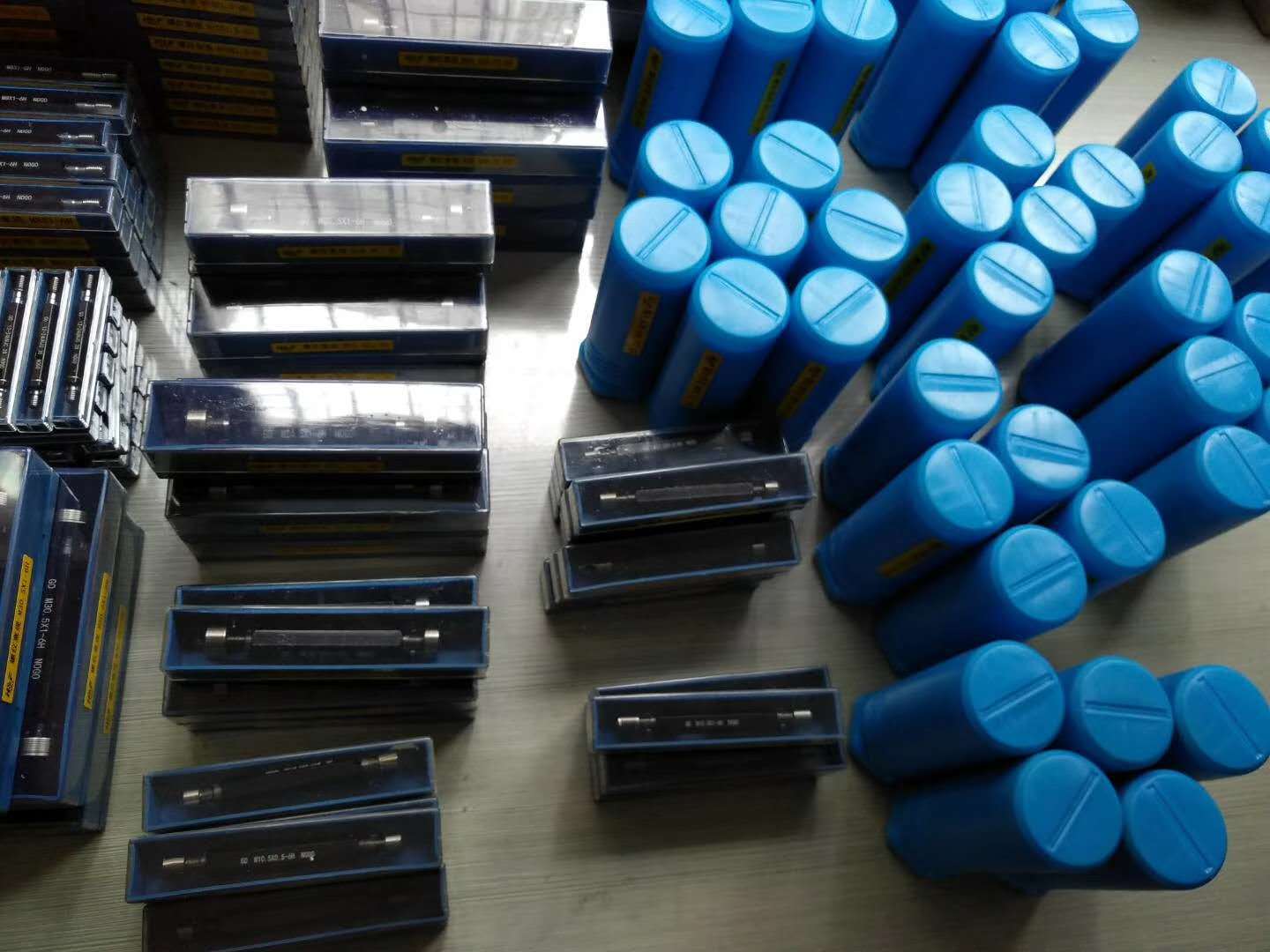
black round led bathroom mirror
Understanding Standard Bore Gages An Essential Tool in Precision Engineering In the realm of precision engineering, the significance of accurate measurements cannot be overstated. Whether dealing with mechanical components in the automotive industry, manufacturing settings, or even in aerospace applications, the ability to measure the internal diameter of cylindrical parts with high accuracy is crucial. This is where standard bore gages come into play, serving as an indispensable tool for engineers and machinists alike. What is a Standard Bore Gage? A standard bore gage is an instrument designed to measure the internal diameter of holes or bores with great precision and repeatability. It ensures that the specifications of components meet the precise requirements needed for proper assembly, functionality, and performance. Bore gages come in various types, including dial bore gages, electronic bore gages, and fixed limit gages, each offering distinct advantages based on the specific measurement needs of a project. Types of Standard Bore Gages 1. Dial Bore Gages These are perhaps the most commonly used bore gages, featuring a dial indicator that provides a visual readout of the internal diameter. When a dial bore gage is inserted into a bore, the gauge's measuring arms make contact with the bore's internal surface. The dial turns, showing the user the diameter measured. This type is particularly useful for quickly evaluating the size of components during the manufacturing process. 2. Electronic Bore Gages For those who require higher precision, electronic bore gages offer digital readouts and often boast additional features, such as data storage, statistical process control, and the ability to connect to computers for real-time monitoring. This technology is particularly beneficial in high-volume manufacturing settings where consistency and traceability are essential. 3. Fixed Limit Gages These gages provide a simple yes/no outcome based on whether a part meets the specified dimensions. They are typically used in quality control scenarios and are designed to check if a manufactured part is within acceptable tolerance levels. Importance of Bore Gages in Industry standard bore gage The primary function of bore gages is to assure the quality of manufactured parts. In many industries, components must fit together correctly to ensure their overall performance and safety. A mis-measured bore can lead to assembly problems, increased wear and tear, and in more severe cases, catastrophic failures. Therefore, using standard bore gages helps manufacturers adhere to stringent quality assurance processes. Moreover, bore gages play a crucial role in maintaining the lifecycle of machinery and mechanical systems. Regular monitoring and measuring of parts can help identify wear and potential failure points before they lead to significant downtime or safety hazards. Consequently, they contribute to reducing maintenance costs and extending the operational lifespan of equipment. Measuring Techniques and Best Practices To attain the most accurate readings from a standard bore gage, several best practices should be adhered to - Calibration Regular calibration of the gage is essential for ensuring accurate measurements. Depending on usage, this may need to occur weekly or monthly. - Proper Technique When measuring, insert the gage slowly and carefully to avoid any potential damage to the instrument or the bore itself. It's also crucial to take measurements at multiple points within the bore to assess for any inconsistencies. - Environmental Factors Consider the temperature and cleanliness of the measuring environment. Contaminants and thermal expansion can impact measurements, so maintaining a controlled environment is vital. Conclusion In conclusion, standard bore gages are vital instruments in the field of precision engineering, providing the necessary means to ensure accurate measurements of internal diameters. Their various types cater to different measurement needs, emphasizing the importance of measurement accuracy in manufacturing and quality control. By adhering to measurement best practices and regular calibration, professionals can leverage bore gages to maintain high standards of quality and performance in their projects. As industries continue to demand higher precision, the role of standard bore gages in engineering will only grow in importance, securing their place as an indispensable tool in modern manufacturing.
about
black round led bathroom mirror
Understanding Full Flow Check Valves Function, Design, and Applications Full flow check valves are essential components in various fluid systems, designed to prevent backflow while allowing the unrestricted passage of fluids. These valves play a pivotal role in ensuring system efficiency and protecting equipment from potential damage due to backflow. This article delves into the function, design, and applications of full flow check valves, highlighting their importance in industrial, commercial, and residential settings. What is a Full Flow Check Valve? A full flow check valve is a type of one-way valve that permits fluid to flow in one direction while preventing it from flowing back. Unlike standard check valves that may restrict flow due to their design, full flow check valves are engineered to minimize restrictions, enabling fluids to flow freely through the valve. This feature is particularly crucial in applications where maintaining pressure and flow rate is vital. Function and Operation The primary function of a full flow check valve is to prevent backflow, which can occur when there is a drop in pressure in the system or when the pump is turned off. The valve operates based on differential pressure; as fluid flows in the designated direction, it pushes against a disc or flap within the valve, which opens to allow flow. When there is a reversal of flow, the pressure drops, causing the disc to close and seal off the passage. This mechanism effectively protects the upstream system from contamination and damage, making it a critical element in many hydraulic and pneumatic systems. Design Features The design of full flow check valves is crucial to their functionality. Common materials used in their construction include stainless steel, brass, PVC, and various other alloys, chosen for their resistance to corrosion and wear. The valve's body typically features a streamlined design to promote full flow capabilities, ensuring minimal turbulence and pressure loss. Various types of designs are available for full flow check valves, including 1. Swing Check Valves These valves have a hinged disc that swings open and closed, providing a simple yet effective solution for backflow prevention. 2. Lift Check Valves These feature a disc that lifts off the seat as fluid flows, allowing for a full flow without significant restriction. full flow check valve 3. Ball Check Valves Utilizing a ball that moves up and down, these valves provide a robust solution for preventing backflow in high-pressure systems. Each design offers specific advantages based on the application, fluid type, and environmental conditions. Applications Full flow check valves are widely used across various industries due to their reliability and efficiency. Some common applications include - Water and Wastewater Treatment They protect pump systems from backflow, ensuring a continuous and safe flow of treated water. - Chemical Processing In chemical plants, full flow check valves prevent backflow and contamination, enhancing operational safety. - HVAC Systems These valves are used in heating and cooling systems to maintain proper flow and pressure. - Fire Protection Systems They prevent backflow in water supply lines, ensuring that fire suppression systems operate effectively. - Food and Beverage Industry Here, full flow check valves help maintain product integrity by preventing cross-contamination in processing lines. Conclusion Full flow check valves are indispensable components in fluid systems, combining functionality with efficiency. Their ability to prevent backflow while allowing unrestricted fluid flow positions them as a critical element across various industries. As technology advances, the construction materials and designs of these valves are likely to evolve, enhancing their performance and expanding their applications. Understanding their function, design, and applications not only aids in selecting the right valve for specific needs but also underscores the critical role these valves play in ensuring the safety and efficiency of fluid systems. As industries continue to innovate and prioritize system integrity, full flow check valves are set to remain at the forefront of fluid control technology.
-

High quality industrial productsagement

High quality industrial products
View Details -

Meet the diverse needs of customers

Meet the diverse needs of customers
View Details -

Strict quality control

Strict quality control
View Details -

Top raw materials

Top raw materials
View Details -

Trusted supplier

Trusted supplier
View Details
Our application


news and information

Y Strainer Buhar Tuzağı Performansı ve Kullanım Alanları Hakkında Bilgi
Y Strainer ve Buhar Tuzakları Verimli Endüstriyel İşlemler için Kritik Bileşenler Endüstriyel tesisl

Válvula de retención 8an y su importancia en sistemas hidráulicos.
8an check valve .
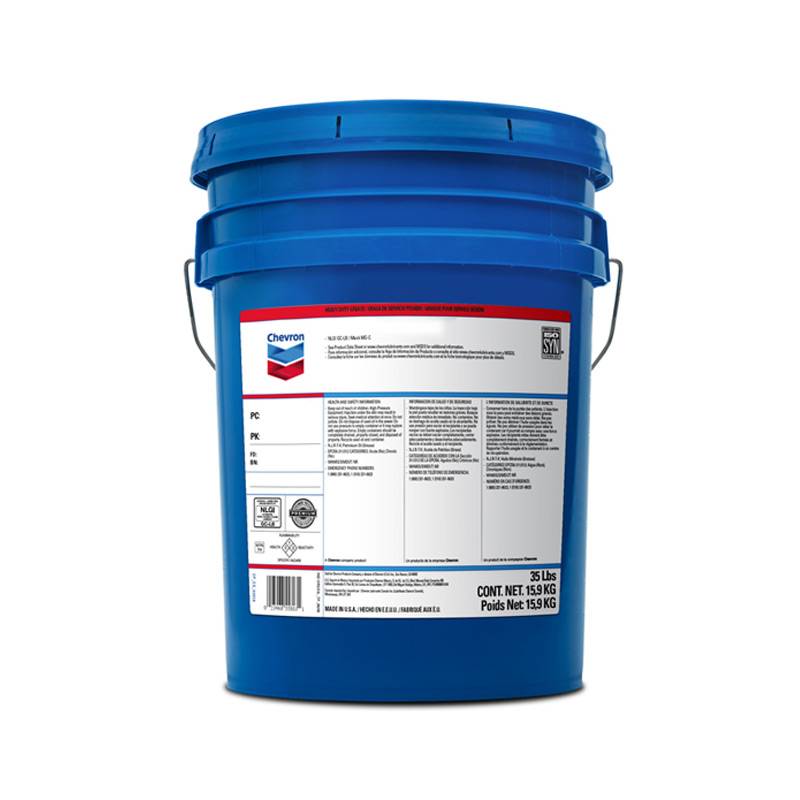
y type strainer with drain valve
Understanding Y-Type Strainers with Drain Valves The Essential Component for Fluid Management In var
 English